Google Sheets is a powerful spreadsheet tool that allows users to organize, analyze, and store data in the cloud. Whether you're a beginner or a seasoned pro, understanding how to efficiently enter data into Google Sheets is crucial for maximizing productivity and accuracy in your work. This guide will walk you through everything you need to know about entering data in a cell, from the basics to more advanced tips.
Understanding the Basics: Entering Data
To start, let's cover the fundamental steps of entering data in Google Sheets:
Step 1: Open Your Google Sheets Document
First, you need to access Google Sheets. You can find it by navigating to sheets.google.com or through your Google Drive. Open an existing spreadsheet or create a new one by clicking on the blank spreadsheet option or choosing a template.
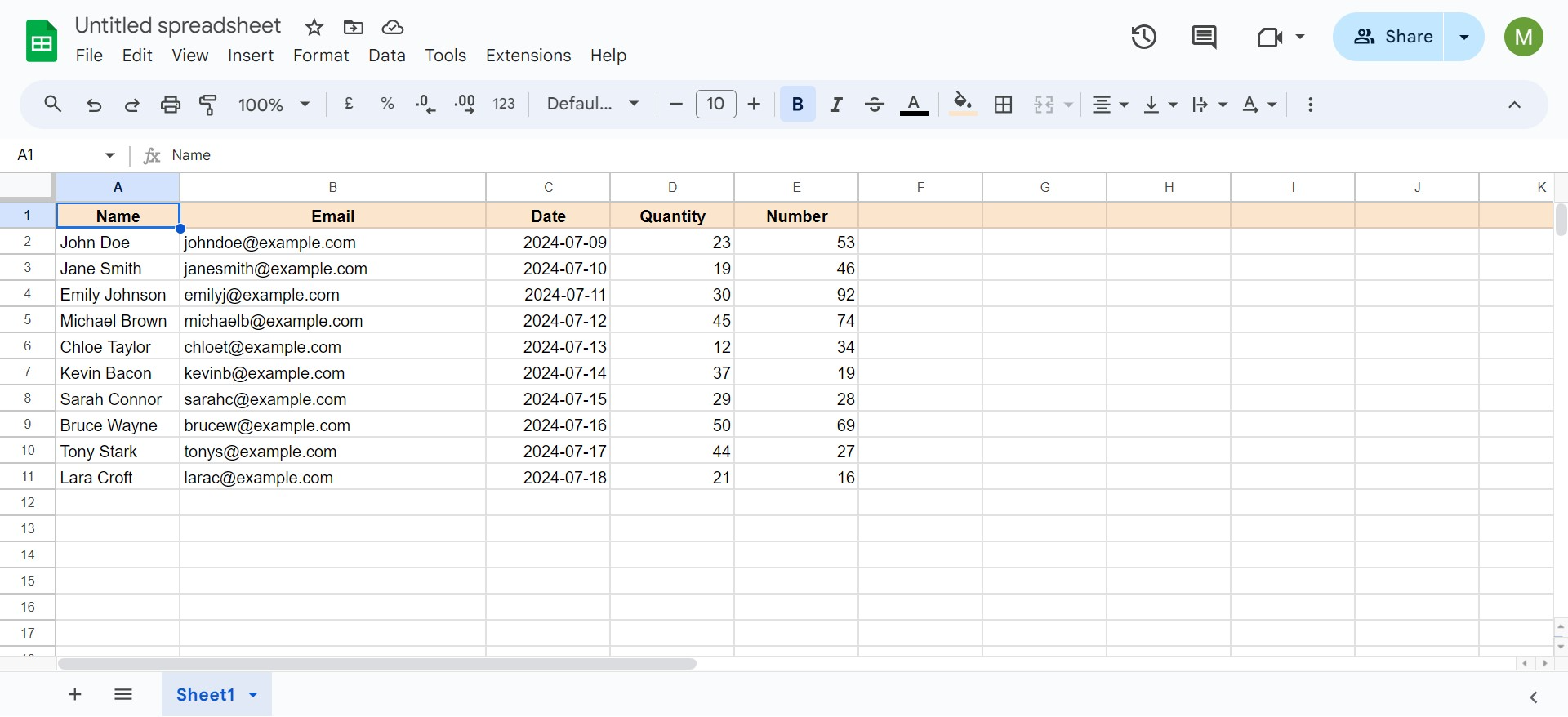
Step 2: Selecting a Cell
Click on the cell where you want to enter your data. A cell is identified by the intersection of a row and a column, typically labeled with numbers and letters. For example, the cell in column "A" and row "1" is referred to as "A1."
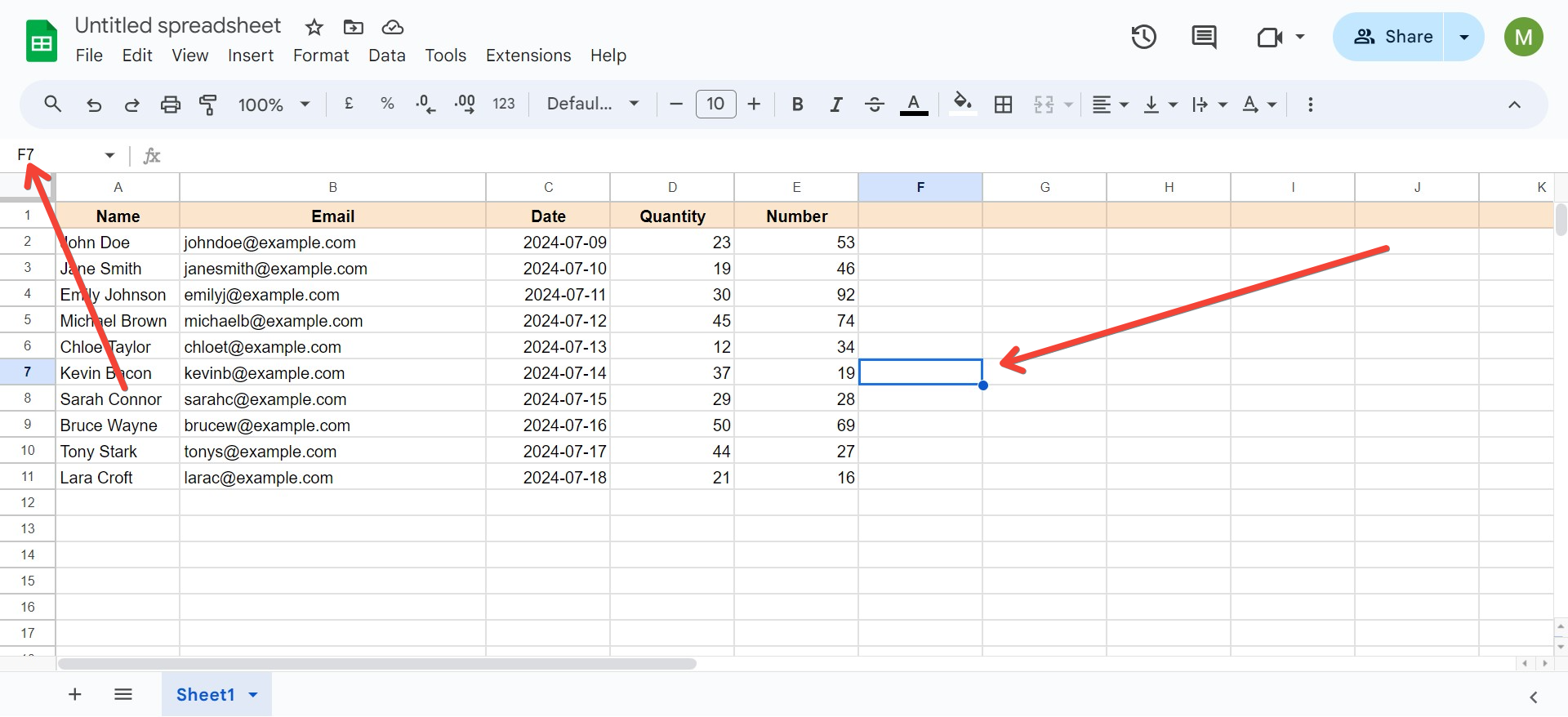
Step 3: Enter Your Data
With the cell selected, simply type the data you want to input. It could be text, numbers, or even more complex data like formulas. As you type, the data appears in both the selected cell and the formula bar at the top.
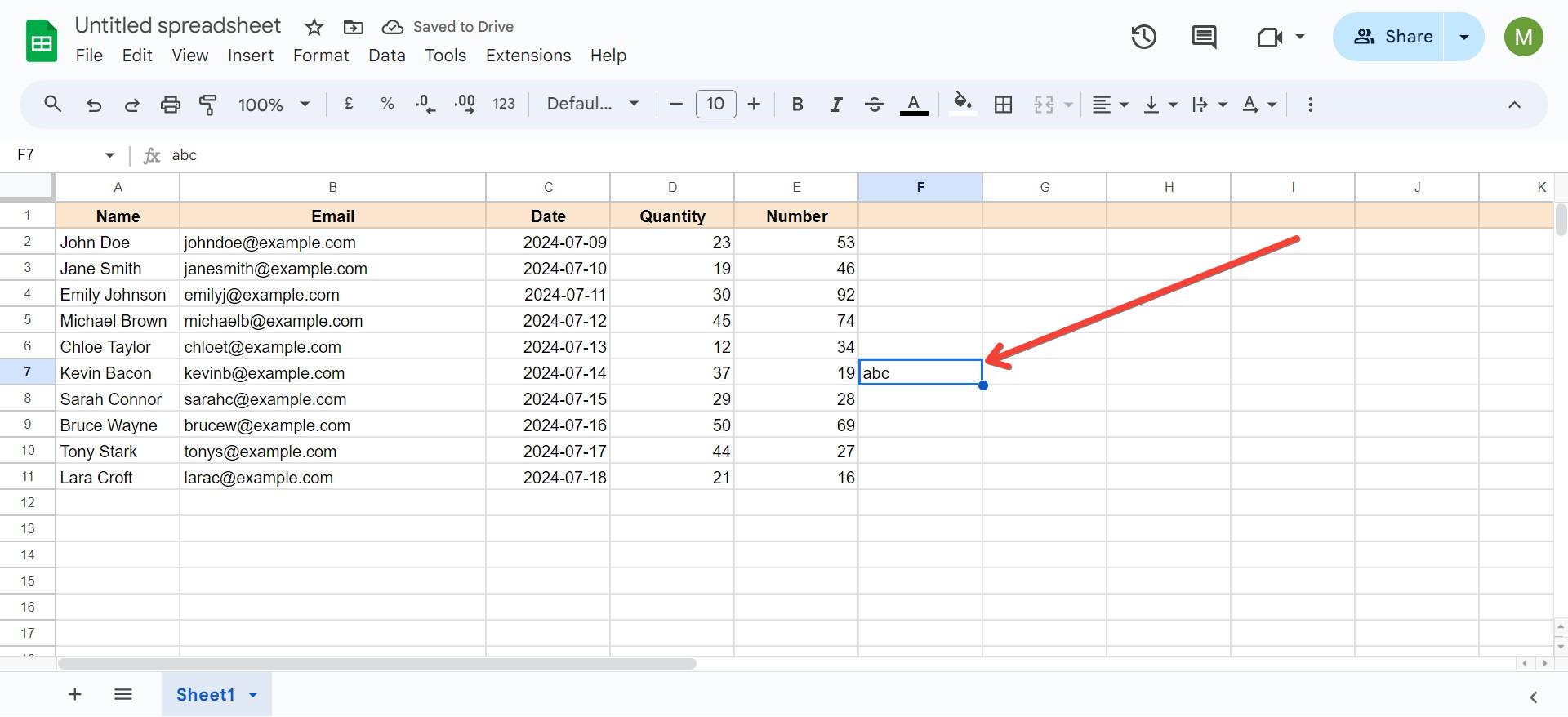
Step 4: Save Your Data
Google Sheets automatically saves your data as you type, thanks to its cloud-based nature. However, it’s good practice to ensure your work is saved, especially after making substantial changes. You can manually save by clicking on “File” followed by “Save,” or simply allow the auto-save feature to handle it.
Advanced Data Entry Techniques
Now that you've mastered the basics, here are some advanced techniques to enhance your data entry process in Google Sheets:
Using Formulas and Functions
To enter formulas in Google Sheets, start by typing the equals sign (=) in your selected cell, followed by the formula you want to apply. For example, to sum two numbers located in cells A1 and A2, you would enter =A1+A2 in the cell where you want the result displayed.
Importing Data
Google Sheets allows you to import data from other spreadsheets or text files. Go to “File,” then “Import” to bring external data into your sheet. You can choose to create a new spreadsheet with this data or insert it into an existing sheet.
Using Data Validation
Data validation is a feature that helps control what data can be entered in a cell. To use this, select a cell or range, then go to “Data” and select “Data validation.” From here, you can set specific criteria, such as dropdown lists or date ranges, to limit the type of data entered into these cells.
Keyboard Shortcuts for Faster Data Entry
Learning keyboard shortcuts can significantly speed up your data entry tasks. Here are a few useful ones:
Tips for Efficient Data Entry
To make your data entry process as efficient as possible, consider these tips:
Conclusion
Entering data into Google Sheets is a fundamental skill that serves as the backbone for more complex spreadsheet functions. By mastering the techniques outlined in this guide, you'll enhance your proficiency with Google Sheets and be able to handle data more effectively, ensuring your spreadsheets are both powerful and error-free. Remember, practice is key to becoming proficient, so take the time to explore these functions and integrate them into your regular use of Google Sheets.