Physiology Topics For Presentation: Clear Ideas & Research Topics

Ayan Ahmad Fareedi

Published By

Sanskar Tiwari

Approved By

Sanskar Tiwari

Published On

Reading Time

7 min read

Find the best physiology topics for presentations, covering anatomy, body systems, and functional insights to make your talk impactful.

Essential Physiology Presentation Topics For Modern Education.

Physiology is the scientific study of the human body’s functions. While anatomy focuses on the structure of body parts, physiology explains how those parts work together to sustain life. From regulating heartbeat and breathing to processing food and maintaining balance, physiology answers questions about how our body adapts to daily challenges and stress.
Understanding physiology is crucial for students, researchers, and anyone interested in health, disease prevention, or improving personal fitness. It provides insights into how organs, tissues, and cells cooperate, and forms the foundation for medical, scientific, and wellness knowledge.

Major Physiology Sections and Topics
notion image

1. General Physiology and Core Concepts

  1. Homeostasis and feedback mechanisms
  1. Cellular structure and function
  1. Tissue repair and regeneration
  1. Membrane transport and gradients
  1. Cellular respiration and energy production
  1. Enzyme action and metabolic pathways
  1. Body fluids and fluid balance
  1. pH regulation and buffer systems
  1. Hormonal control of body processes
  1. Thermoregulation mechanisms
  1. Circadian rhythms and sleep physiology
  1. Stress and adaptation responses

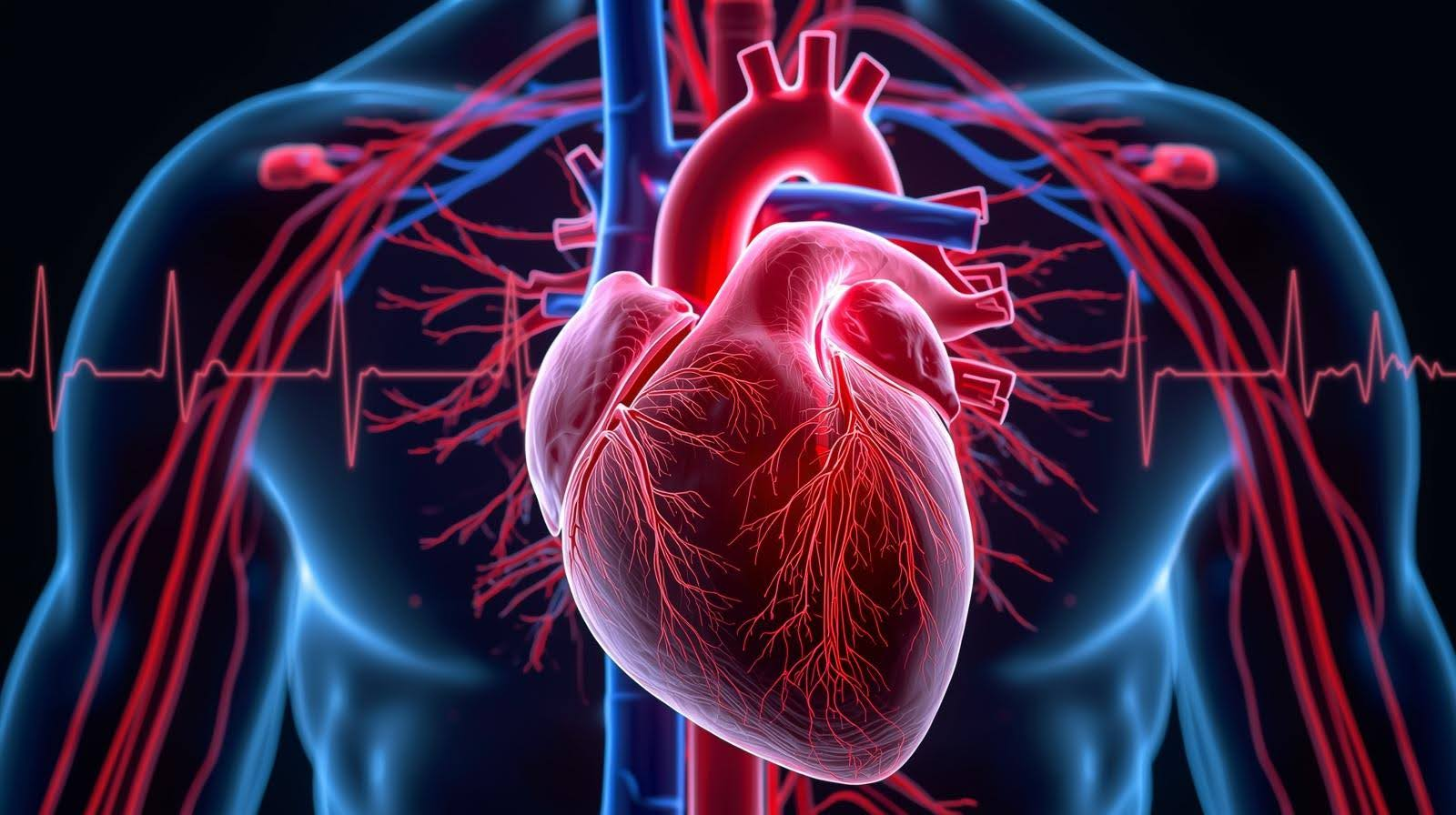
2. Cardiovascular Physiology

notion image
  1. Heart anatomy and electrical conduction
  1. Cardiac cycle and heart sounds
  1. Blood pressure regulation
  1. Blood vessel structure and function
  1. Hemodynamics and cardiac output
  1. Blood composition and function
  1. Blood clotting and hemostasis
  1. Exercise impact on the heart
  1. Lymphatic system and fluid balance
  1. Atherosclerosis and heart disease
  1. Role of nitric oxide in vasodilation
  1. Baroreceptor reflex

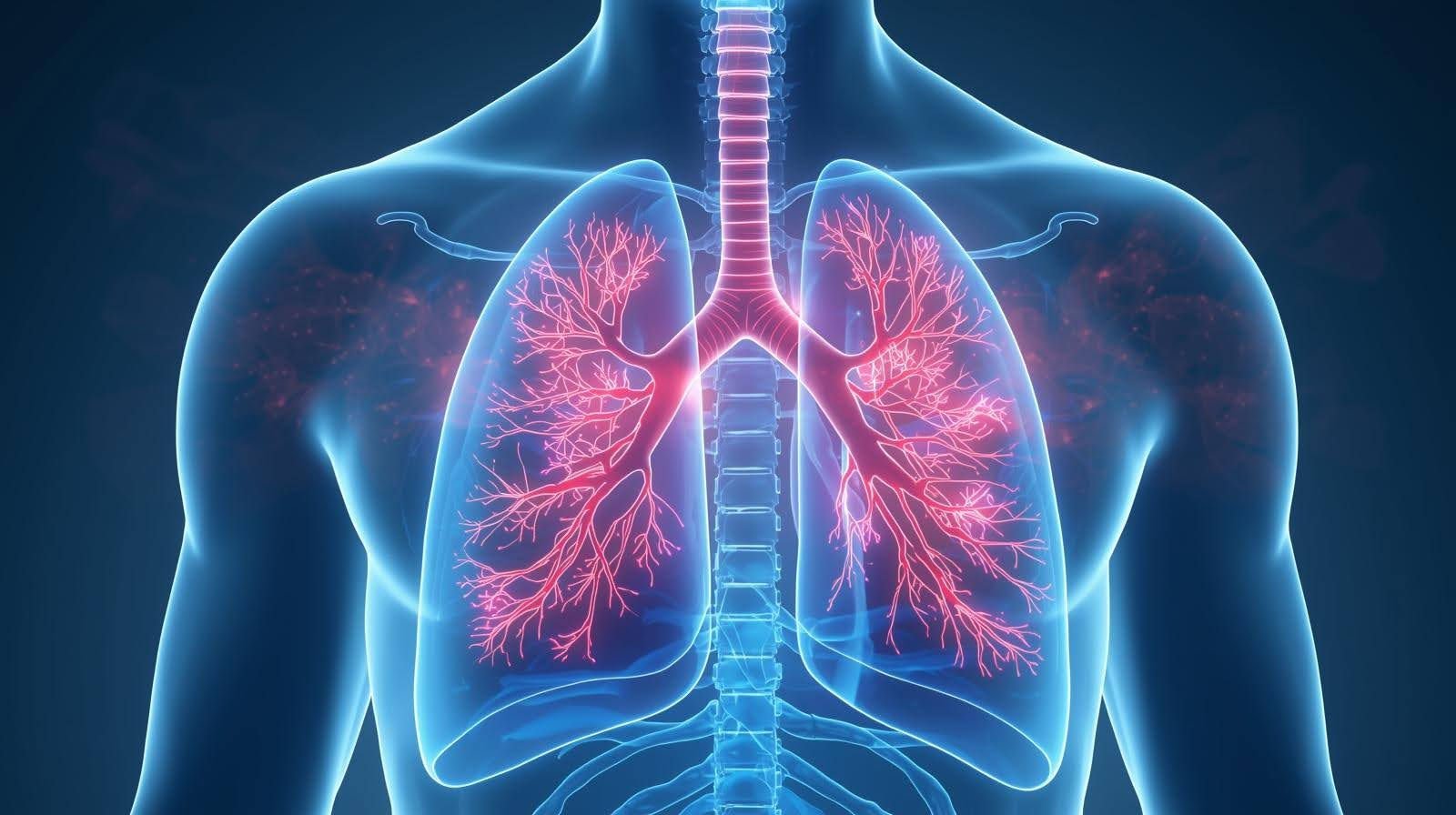
3. Respiratory Physiology

notion image
  1. Respiratory tract anatomy
  1. Mechanics of breathing
  1. Gas exchange in alveoli
  1. Oxygen and carbon dioxide transport
  1. Breathing regulation by the brain
  1. Pulmonary circulation
  1. Respiratory volumes and capacities
  1. Diaphragm and intercostal muscle function
  1. Effects of altitude on respiration
  1. Smoking and lung health
  1. Role of surfactant
  1. Common respiratory disorders

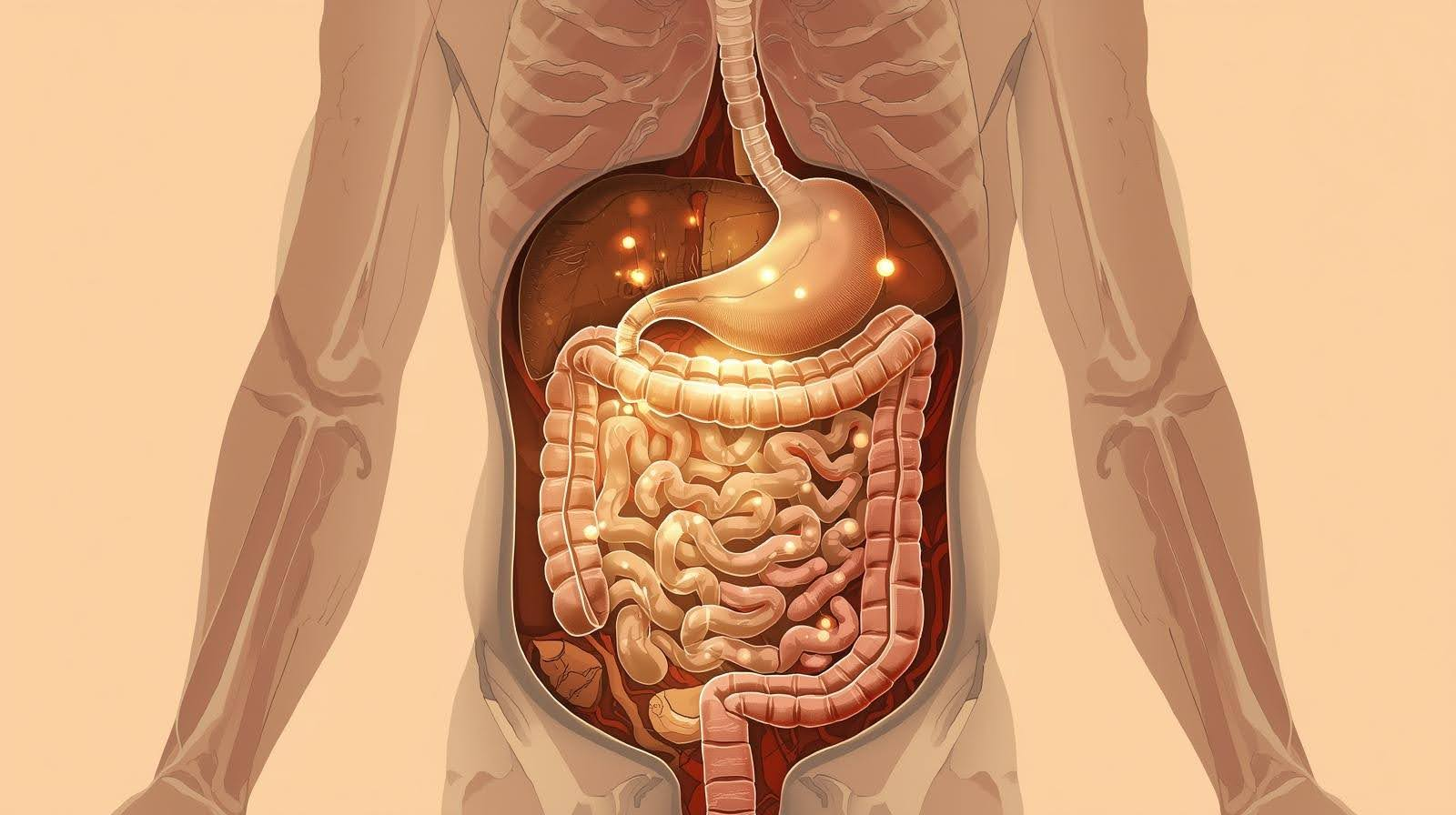
4. Digestive Physiology

notion image
  1. Digestive tract structure and function
  1. Digestive enzymes and chemical breakdown
  1. Nutrient absorption in the small intestine
  1. Liver metabolism and bile production
  1. Pancreatic enzyme secretion
  1. Gut microbiome and health
  1. Hormonal control of digestion
  1. Peristalsis and motility
  1. Dietary fiber and digestion
  1. Disorders: IBS, Crohn’s, ulcer
  1. Energy metabolism
  1. Nutrition and body function

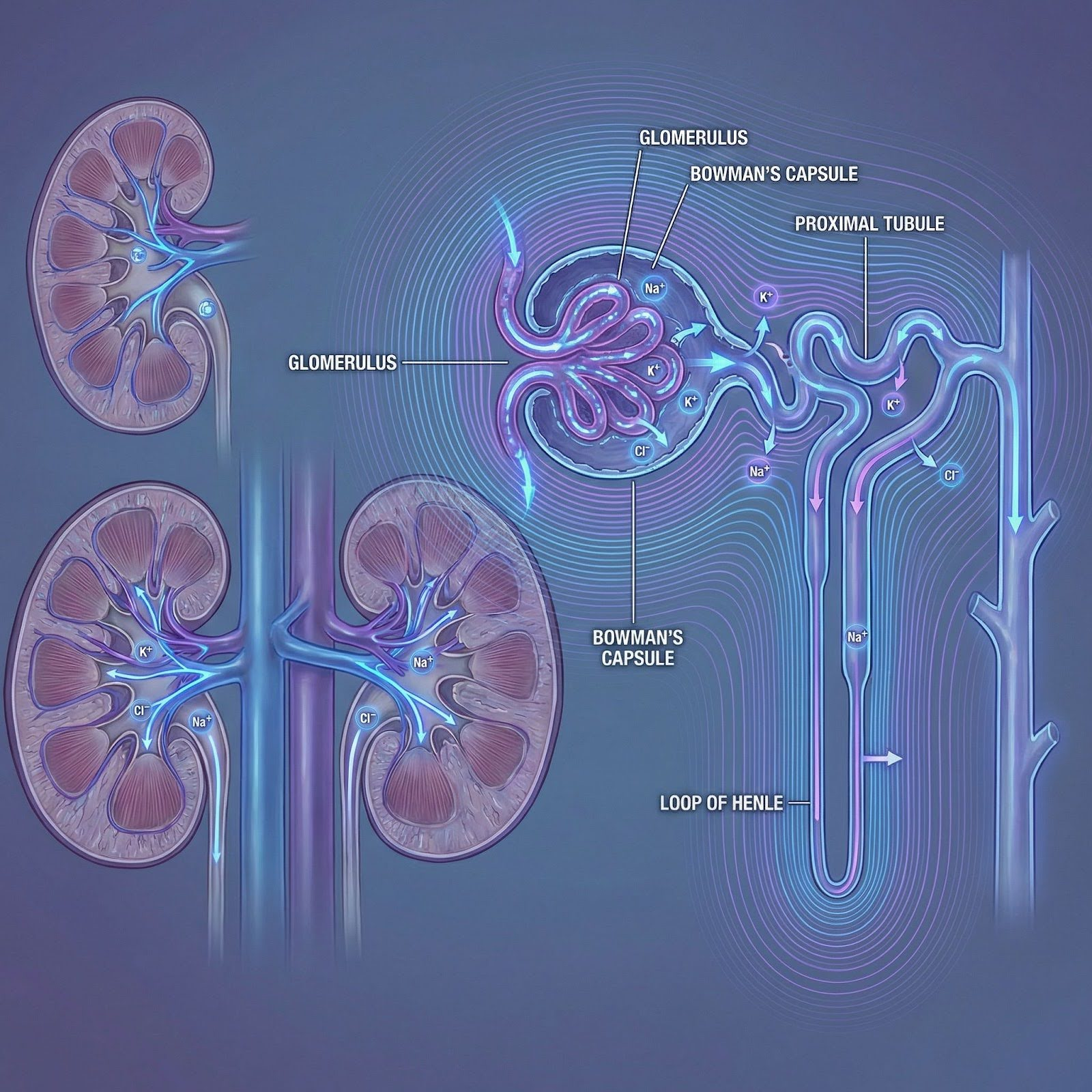
5. Renal (Urinary) Physiology

notion image
  1. Kidney structure and nephron function
  1. Urine formation: filtration, reabsorption, secretion
  1. Electrolyte regulation
  1. Fluid balance and hydration
  1. Acid-base balance
  1. Hormonal regulation (ADH, aldosterone)
  1. Blood pressure control by the kidneys
  1. Glomerular filtration rate
  1. Response to dehydration
  1. Kidney stones and UTI physiology
  1. Osmotic gradients in nephrons
  1. Renal response to exercise

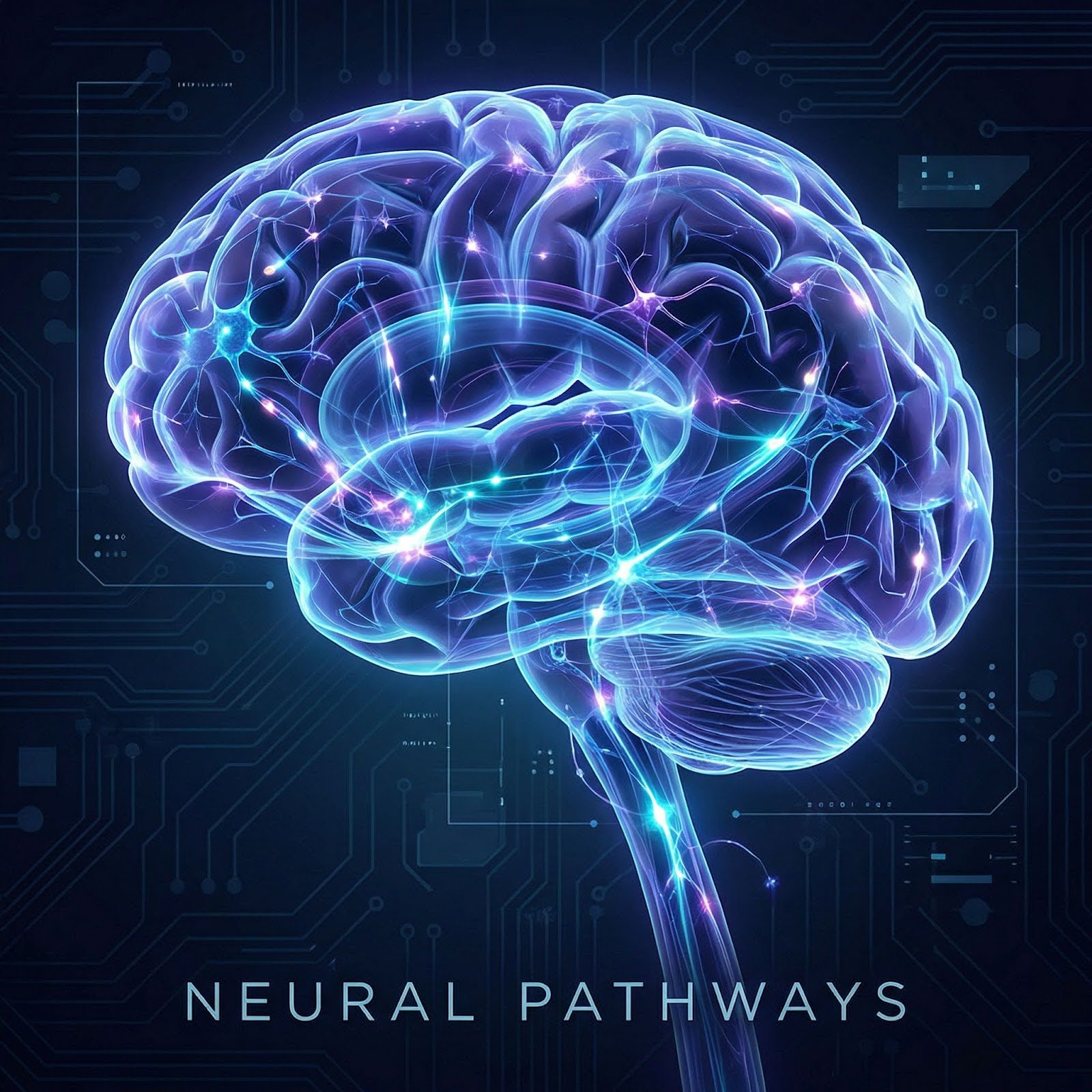
6. Nervous System Physiology

notion image
  1. Neuron structure and signaling
  1. Nerve impulse transmission
  1. Synapses and neurotransmitters
  1. Central nervous system functions
  1. Peripheral nervous system and reflexes
  1. Autonomic nervous system roles
  1. Sensory perception pathways
  1. Motor control and coordination
  1. Blood-brain barrier
  1. Neuroplasticity
  1. Pain perception mechanisms
  1. Stress impact on the nervous system

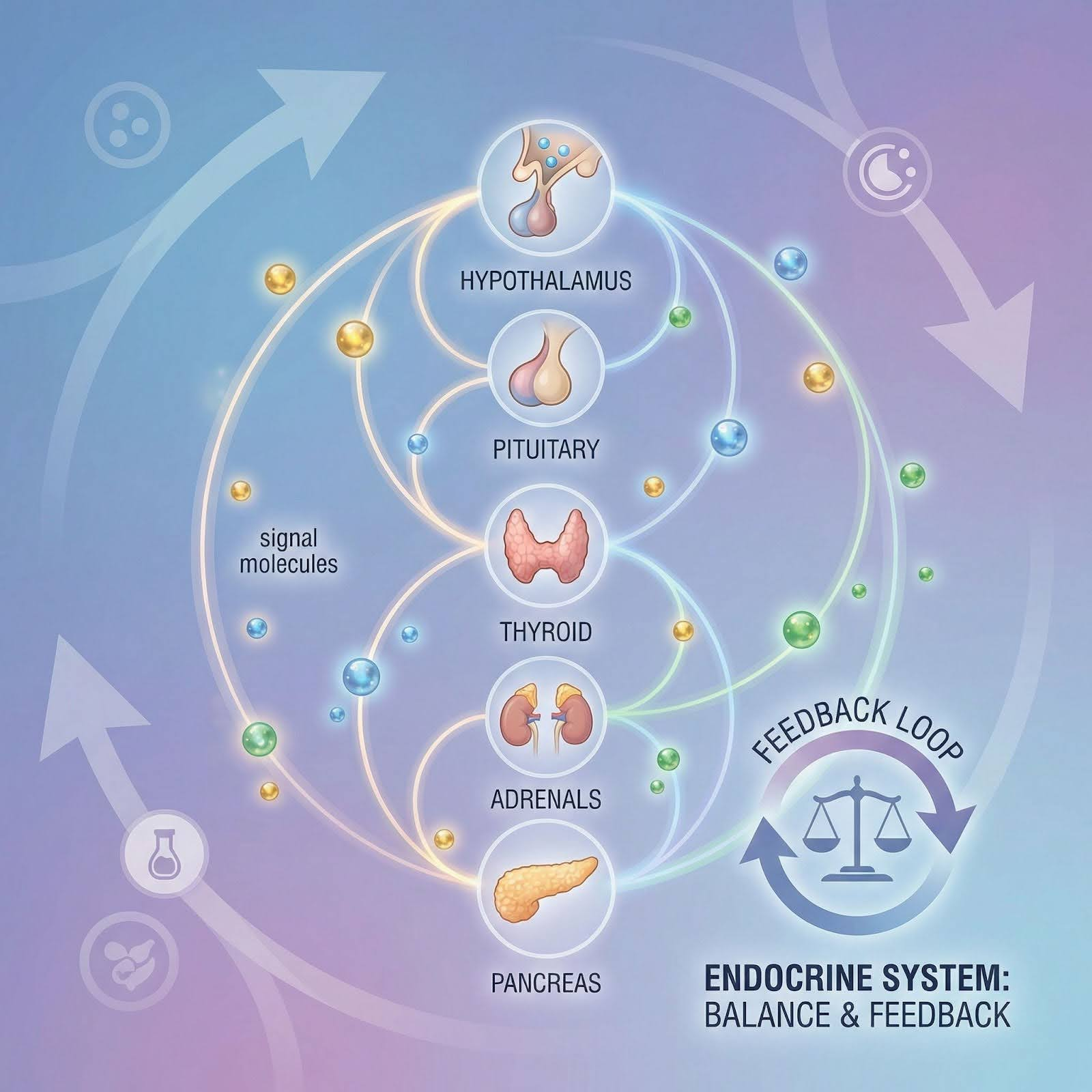
7. Endocrine & Hormonal Physiology

notion image
  1. Hormone types and mechanisms
  1. Hypothalamus-pituitary axis
  1. Thyroid hormone regulation
  1. Insulin and glucose homeostasis
  1. Adrenal gland hormones
  1. Reproductive hormone physiology
  1. Melatonin and circadian rhythms
  1. Hormones and metabolism
  1. Endocrine disruptors
  1. Menopause physiology
  1. Feedback loops in hormone regulation
  1. Diabetes and endocrine disorders

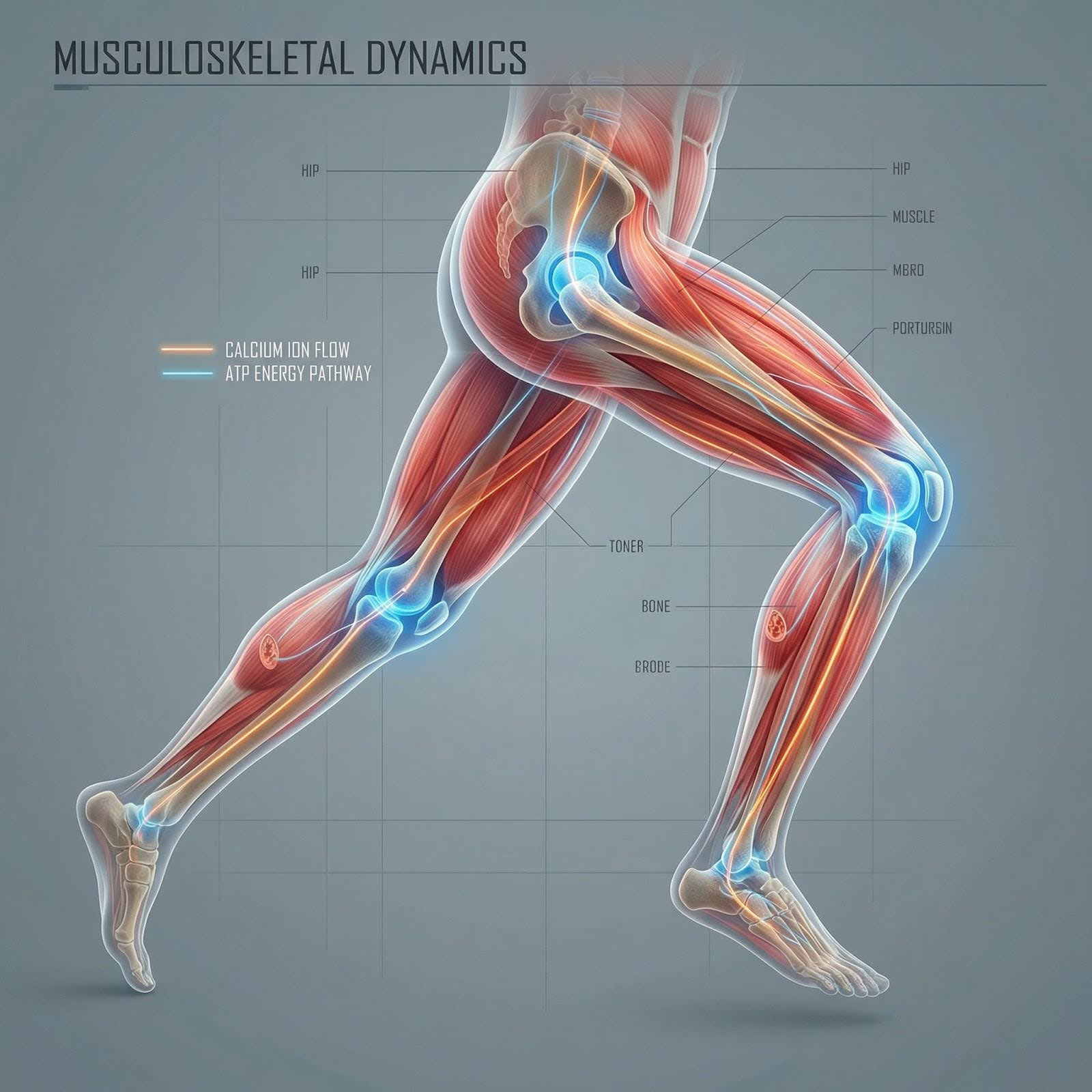
8. Musculoskeletal Physiology

notion image
  1. Skeletal and smooth muscle types
  1. Muscle contraction (sliding filament theory)
  1. Neuromuscular junction function
  1. Energy sources for muscles
  1. Muscle fatigue and recovery
  1. Bone remodeling and growth
  1. Joint movement mechanics
  1. Calcium regulation
  1. Exercise effects on muscle physiology
  1. Skeletal support and posture
  1. Cartilage and connective tissue roles
  1. Muscle disorders

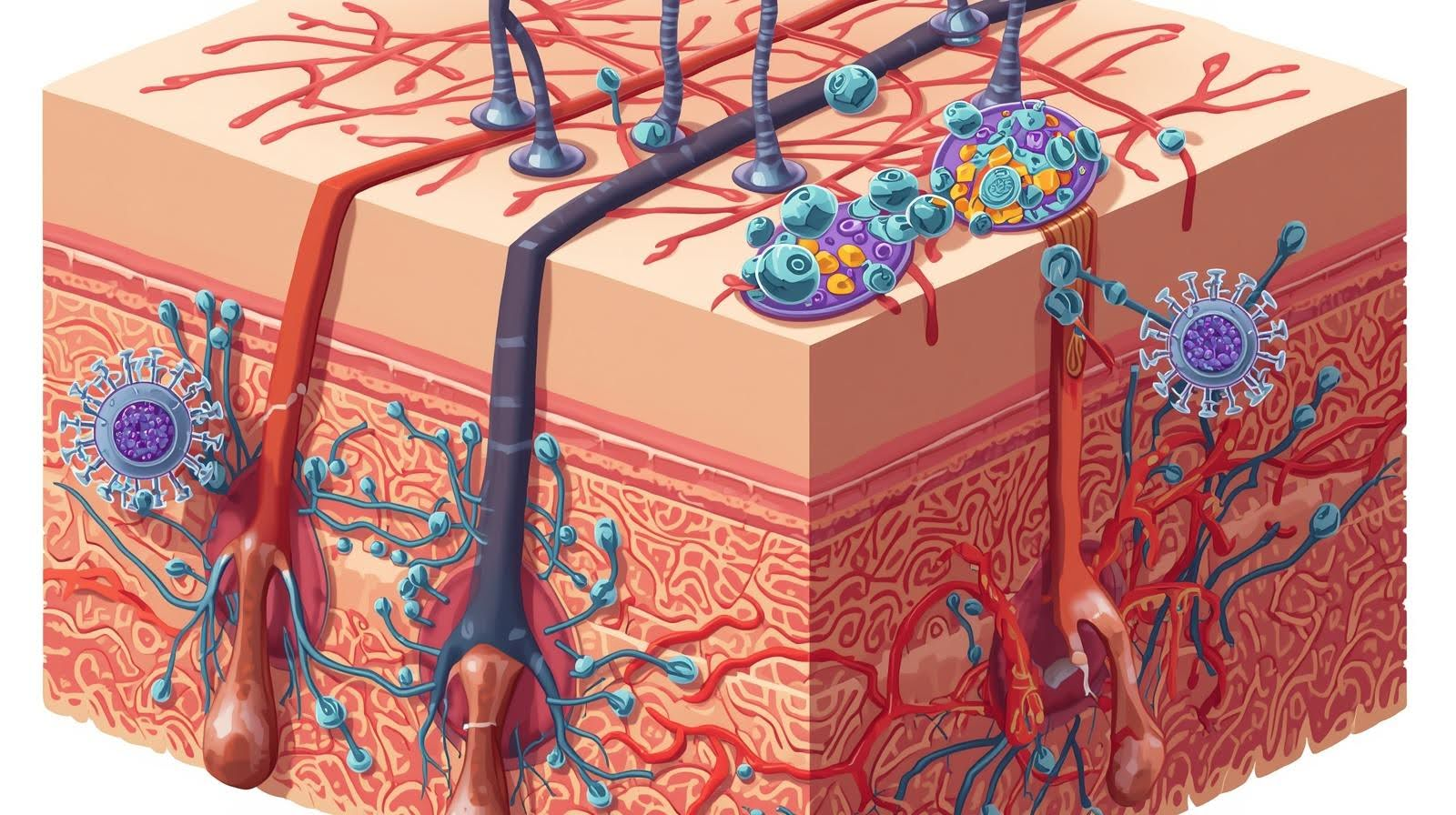
9. Immune & Integumentary Physiology

notion image
  1. Innate vs adaptive immunity
  1. White blood cell function
  1. Antibody production and action
  1. Lymphatic system physiology
  1. Vaccination and immune memory
  1. Allergic responses
  1. Autoimmune disorders
  1. Skin structure and protection
  1. Thermoregulation via skin
  1. UV radiation effects on skin
  1. Skin repair and wound healing
  1. Nutrition and immunity

10. Special & Emerging Areas in Physiology
notion image
  1. Cellular signaling and ion channels
  1. Gut-brain axis
  1. Biomechanics of human movement
  1. Physiology of aging
  1. Sleep physiology
  1. Addiction and brain function
  1. Space physiology
  1. Environmental stress effects
  1. Personalized medicine
  1. Wearable health monitoring
  1. Integrative whole-body physiology
  1. Exercise and systemic adaptation

Make Physiology Easy to Present with MagicSlides.

Understanding human physiology is fascinating, but explaining complex processes like how the heart pumps blood, how oxygen travels in the lungs, or how hormones control metabolism can be challenging.
That’s where MagicSlides.app an AI presentation maker comes in. After selecting any of the topics listed above, you can use MagicSlides to transform your detailed research into a visually engaging presentation automatically with the help of AI that is easy to follow and memorable.
How to Create a Presentation Using MagicSlides
Step 1: Log in or Sign up

notion image
Step 2: Enter your content
MagicSlides supports different file formats like

notion image
Step 3: Select a template that suits your presentation topic

notion image
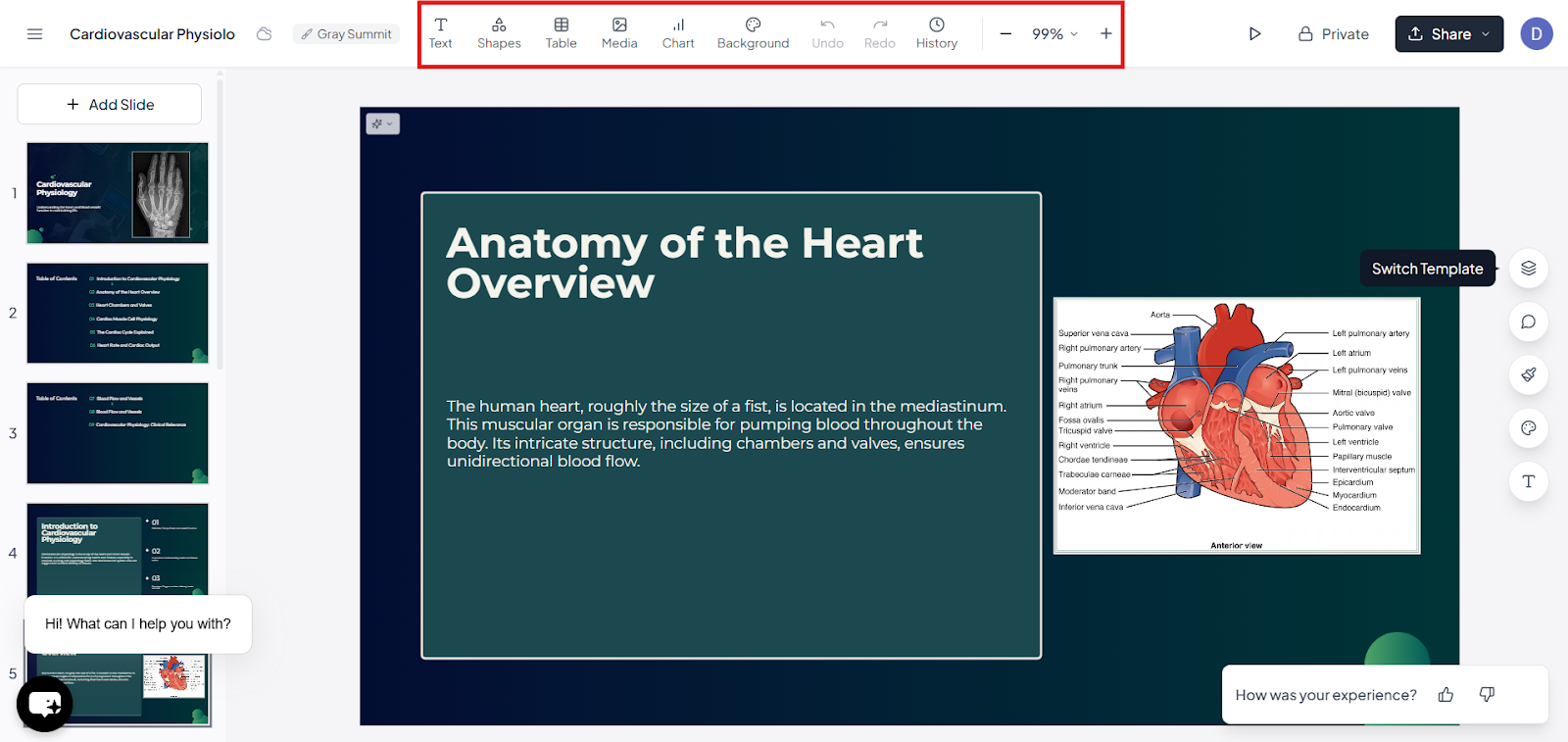
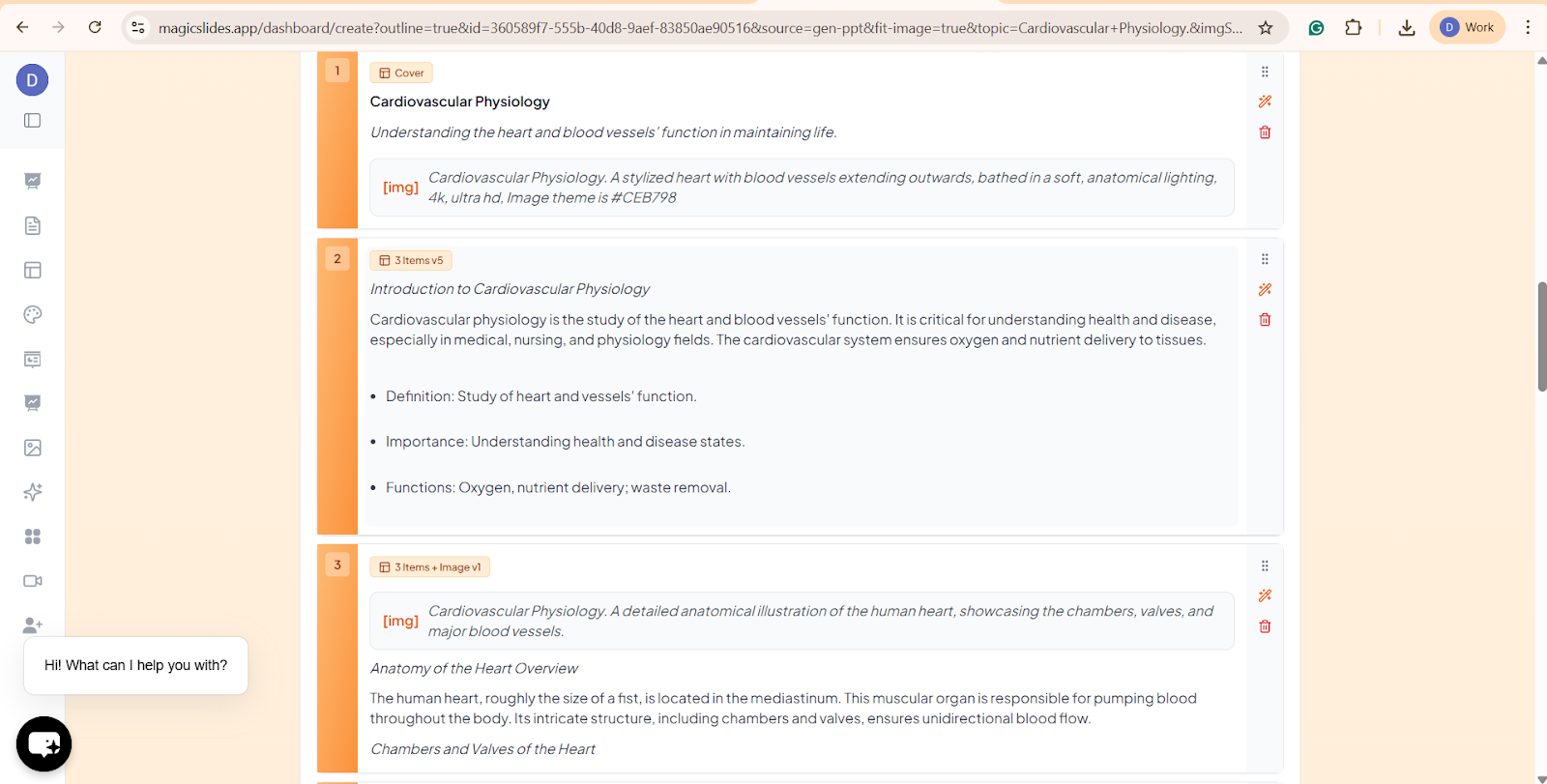
Step 4: Click “Generate.” Let AI analyze the content and create the structured slides
notion image
Step 5: Refine it if needed
notion image
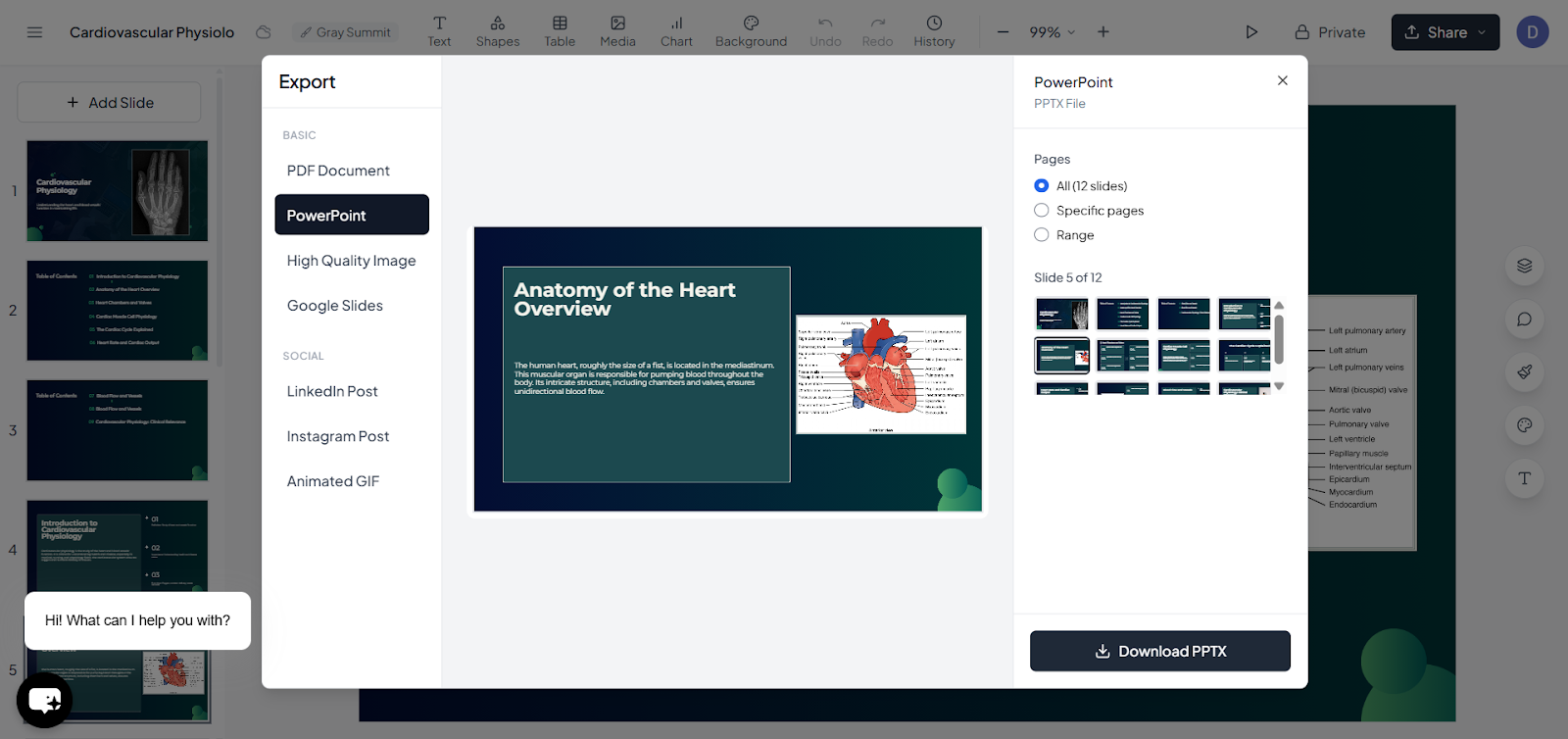
Step 6: Download and use it
notion image
Whether you are preparing for a classroom project, seminar, or research presentation, MagicSlides ensures that your content is presented professionally, with a smooth flow that highlights the most important points. With its ability to simplify complex information.

Final Thoughts

Physiology helps us understand how the human body functions, from basic cellular processes to complex system-wide interactions. With a wide range of topics across cardiovascular, respiratory, nervous, endocrine, and emerging physiological fields, students and educators have countless engaging presentation options.
However, presenting these concepts clearly can be challenging. Tools like MagicSlides simplifythe process by turning complex physiology content into well-structured, visually engaging presentations, making learning more effective, accessible, and memorable.
Also read: Best Controversial Topic For Presentation - Complete Guide.

Quick FAQ’s

Q 1: What is the difference between anatomy and physiology?
Anatomy studies structure; physiology studies function.
Q 2: How does exercise affect physiology?
It changes heart rate, breathing, and metabolism.
Q 3: How do I choose a physiology presentation topic?
Pick a topic that interests you and has enough research or examples.
Q 4: Should I focus on a specific system or general physiology?
Both work; choose based on your audience and time available.
Q 5: Can I include recent research in my presentation?
Yes, recent studies make your presentation informative and up-to-date.
Q 6: Are examples of real-life applications important?
Yes, they help the audience relate physiology concepts to daily life.
Q 7: Can I combine multiple systems in one presentation?
Yes, showing interactions like the cardiovascular and respiratory systems is effective.
Q 8: Should I include diseases or disorders in my topic?
Yes, connecting physiology to health conditions makes the topic more relevant.
Q 9: How can I make my physiology presentation more engaging?
Use visuals, real-life examples, animation, and interactive slides.
Q 10: Can I use technology to make presentations better?
Yes, tools like MagicSlides help convert research into clear, professional slides.
 

Share on socials

About the author

Ayan Ahmad Fareedi profile photo
Ayan Ahmad FareediSenior Writer & Spreadsheet Specialist

Ayan Ahmad is our Senior Writer specializing in Google Sheets tutorials and productivity guides. With over two years of experience at companies like Amazon and Okaya, he has mastered data analysis and spreadsheet automation. He creates comprehensive guides that help users unlock the full potential of Google Sheets for business and personal use.

More from the blog